Metabolic Health and Circadian Eating: Why When You Eat Matters as Much as What You Eat
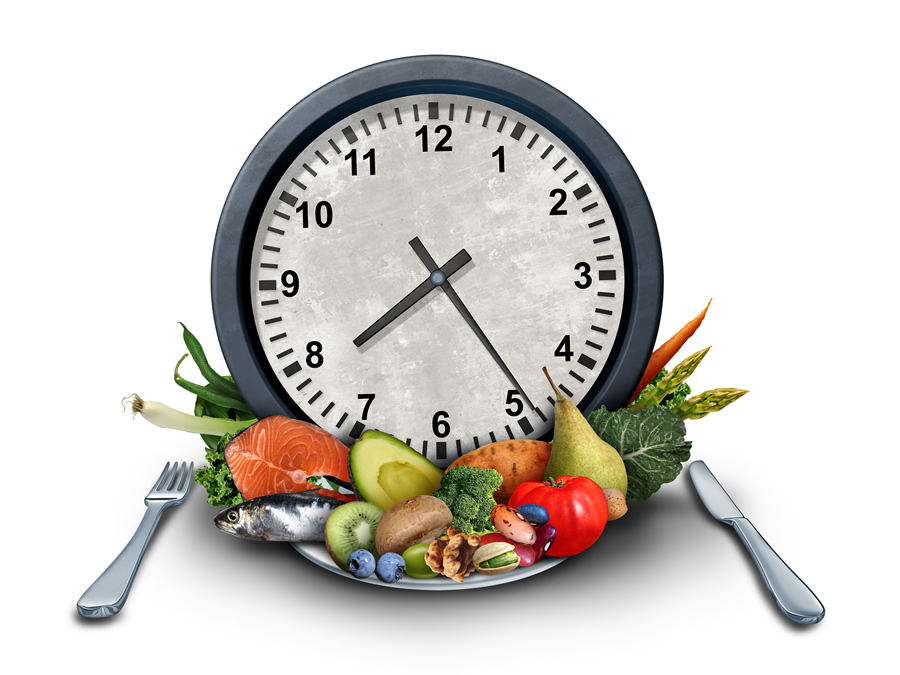
But research shows that when you eat may be just as important as what’s on your plate.
This concept is called circadian eating, and it’s rooted in how your body naturally functions over a 24-hour cycle. Instead of chasing short-term weight changes, circadian eating supports something much more powerful: long-term metabolic resilience. Let’s break it down in a simple, practical way.
Your Body Runs on a Clock
Your body follows a built-in 24-hour rhythm called the circadian rhythm. It influences your sleep, hormones, digestion, blood sugar control and energy levels. During the daytime, your body is more prepared to digest food, use glucose (blood sugar) for energy, and process nutrients efficiently.
At night? It’s preparing for rest, repair, and recovery — not large meals. Think of it this way: Your metabolism is more “open for business” earlier in the day.
Why Timing Matters for Metabolic Health
Metabolic health isn’t just about weight. It includes keeping stable blood sugar levels, healthy cholesterol levels, balanced hormones, steady energy, and reduced inflammation.
Here’s what research shows when meals are better aligned with your internal clock:
1. Better Blood Sugar Control
Your body handles carbohydrates more effectively earlier in the day because insulin works more efficiently in the morning and afternoon. Eating most of your calories late at night may lead to higher blood sugar levels and increased strain on your metabolism over time.
2. Better Appetite Regulation
Hormones that control hunger and fullness, such as ghrelin and leptin, operate on circadian schedules. Eating at consistent times helps regulate those signals, which may reduce overeating and constant snacking. This isn’t about restriction — it’s about rhythm.
3. Enhanced Fat Metabolism
Animal and human studies suggest that restricting food intake to biologically appropriate times (e.g., daytime hours) supports fat metabolism and reduces fat accumulation — not just short-term weight loss, but sustainable metabolic resilience.
4. Steady Energy
Have you ever noticed that late-night eating can leave you feeling sluggish the next morning? That’s because digestion slows down at night. When we eat large meals late, the body is trying to process food when it really wants to rest. Aligning meals earlier often leads to fewer energy crashes, clearer thinking, and better sleep.
5. Long-Term Metabolic Resilience (Not Quick Weight Drops)
Many diets focus on short-term weight loss. Circadian eating focuses on something deeper:
- Supporting insulin sensitivity
- Lowering inflammation
- Improving metabolic flexibility (your body’s ability to switch between burning carbs and fat efficiently)
When your metabolism works smoothly, weight regulation becomes more sustainable — without extreme dieting.
What Circadian Eating Is NOT:
- xIt’s not just about “eating earlier” to lose weight quickly
- xIt’s not about skipping meals or a fasting trend for short-term results
- xIt’s not about perfection every day
- xIt is not a crash diet or eating dinner at 4pm forever!
It’s about gently aligning your eating pattern with your body’s natural rhythm most of the time.
Simple Ways to Try It You don’t need a major overhaul. Start small.
- ✔Eat within a few hours of waking
- ✔Make lunch your largest meal if possible
- ✔Try to finish dinner 2–3 hours before bed
- ✔Keep a fairly consistent eating window each day
Even small shifts can support your long-term metabolic health.
Why This Matters for You
Metabolic resilience means your body can handle stress, changes in food intake, busy schedules, and occasional indulgences without major blood sugar spikes or crashes.
It’s about building a metabolism that works with your life, not one that feels fragile or reactive. When we align food timing with our biology, we support sustainable energy, better sleep, balanced hormones, and long-term health— not just short-term weight shifts.
Ready to Support Your Metabolic Health?
If you’re curious how circadian eating could fit into your lifestyle — without extreme rules or rigid plans — let’s talk. At Nutrition Coaching 4U, we focus on practical, science-backed strategies that build long-term metabolic strength.
Schedule a consultation today and start building resilience from the inside out.
Because lasting health isn’t about drastic changes.
It’s about small, strategic habits that work with your body — not against it.